Information
A rich 12-day religious tour will introduce you to the Zoroastrian and Buddhist cultural heritage of Uzbekistan. Many scientists and researchers consider Central Asia, and in particular ancient Khorezm, the birthplace of Zoroastrianism and its prophet Zarathustra. Buddhism also played a significant role in the ideology of Ancient Termez (southern Uzbekistan) for seven centuries: from the 1st to the 7th centuries. AD
Pilgrimage tourism
Have you ever thought about modern life, about what role he began to play in it?
Objects of ziyorat tourism
On the territory of Uzbekistan there are many holy places related to Islamic culture
Christian objects
The emergence of Christianity in Central Asia is associated with the names of the apostles Thomas and Andrew the First-Called
Buddhist heritage
Termez, a Buddha statue was discovered and since then this land has become the main object
Schedule
Arrival in Tashkent
Arrival in Tashkent. You will be met by our driver and taken to the hotel. Check-in at the hotel at 12:00. You will have a guided tour of Tashkent - the capital of Uzbekistan and the largest city in Central Asia. Visit to the Museum of History, which houses a rich collection of artifacts from the Zoroastrian and Buddhist eras of Uzbekistan. On this day, you will also see Ming Urik, the Old City, the Chorsu bazaar, Independence Square and Amir Timur Square. Overnight at the hotel. Tour duration: 5 hours
Arrival in Tashkent
Transfer to the local airport for the morning flight to Termez (661 km, 2 hours). Here you will be met by the driver and guide. Excursion to Termez - one of the oldest cities in Central Asia and the ancient center of Buddhism. Visit Kokildor-Ota Khanaka, Kyrk-Kyz fortress - the summer residence of the rulers of the Samanid dynasty, the Sultan Saodat ensemble and Zurmala (Buddha's stupa). Continuation of the tour of Buddhist archaeological sites. Visiting Karatepa, Fayaztepa and Al-Hakim at-Termezi mausoleum. Free time in the evening. Overnight at the hotel. Tour duration: 4-5 hours
Termez
Continuation of the guided tour around Termez and its environs. To the north-east of the city is the Greek-Bactrian fortress Kampyrtepa (35 km., 1 hour). Then you will visit the Jarkurgan minaret (30 km., 50 min.). Return to Termez through the Surkhan oasis. You will pass the Friendship Bridge connecting Uzbekistan and Afghanistan. Visit to the Archaeological Museum in Termez, where the exhibits found on the territory of Termez and its environs are collected. Overnight at the hotel. Tour duration: 6-7 hours
Termez – Samarkand
Departure in the morning from Termez to Samarkand (375 km, 5h26min). Arrival in Samarkand in the afternoon. Hotel accommodation. Free time. Overnight at the hotel.
Samarkand
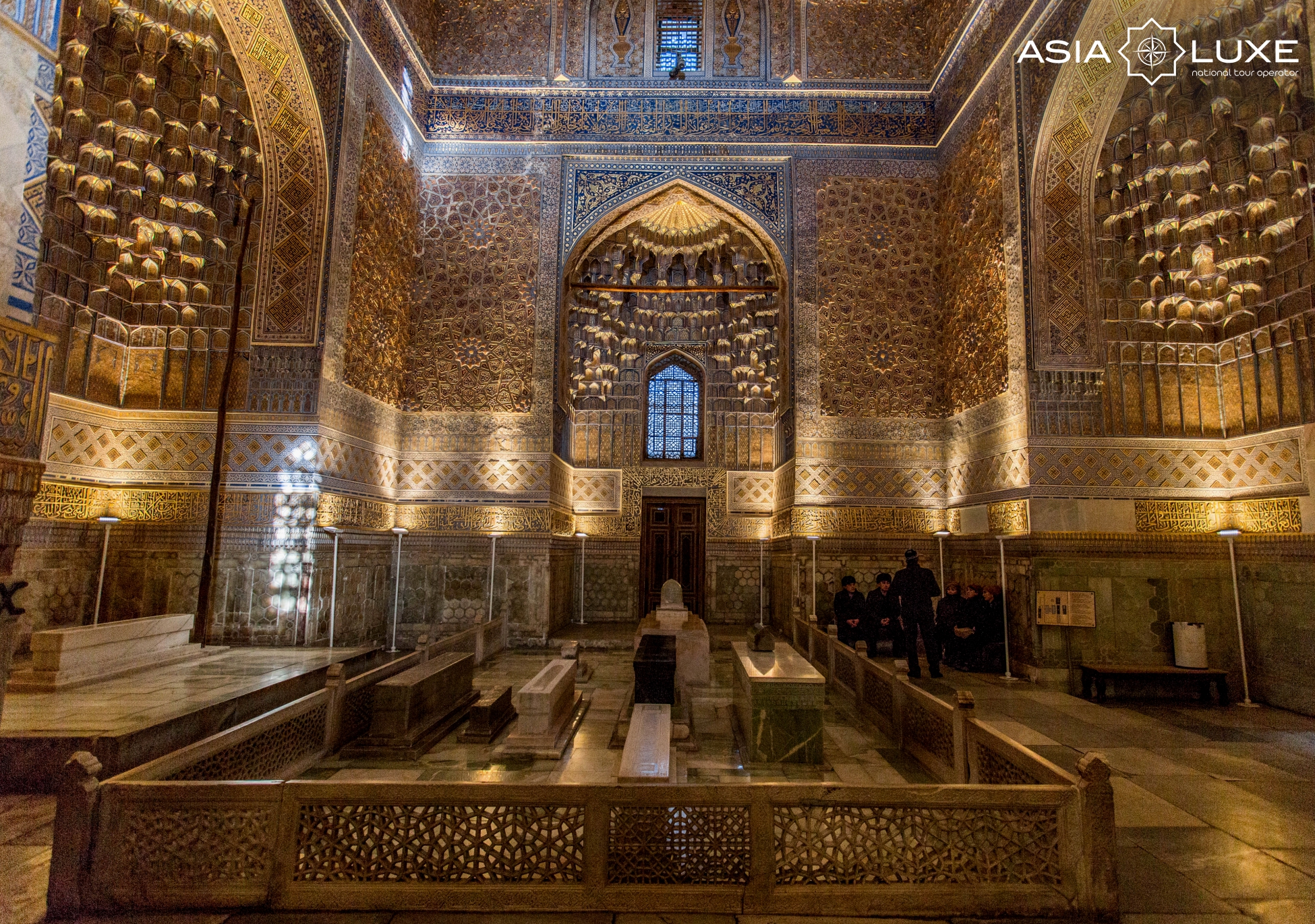
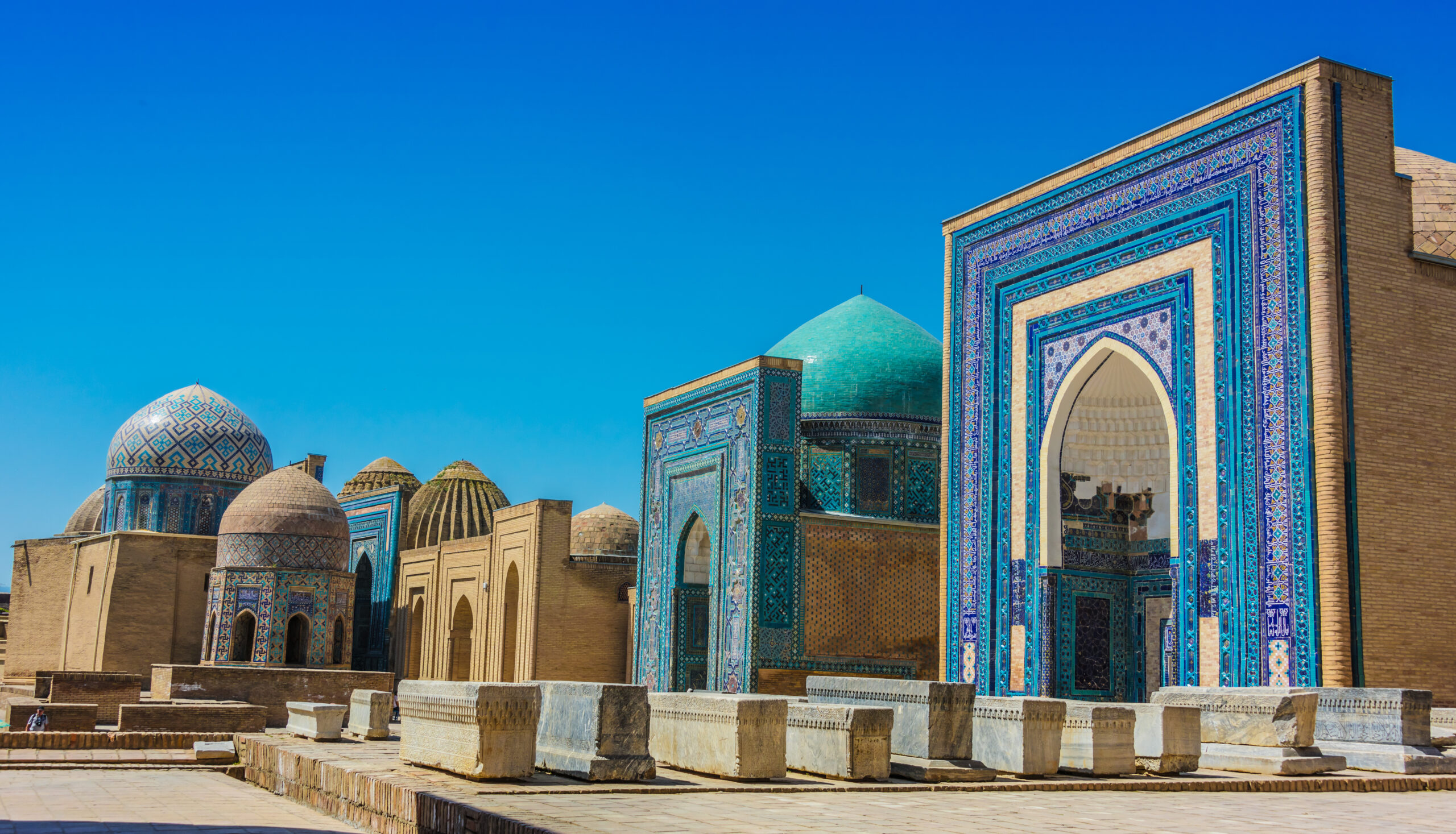
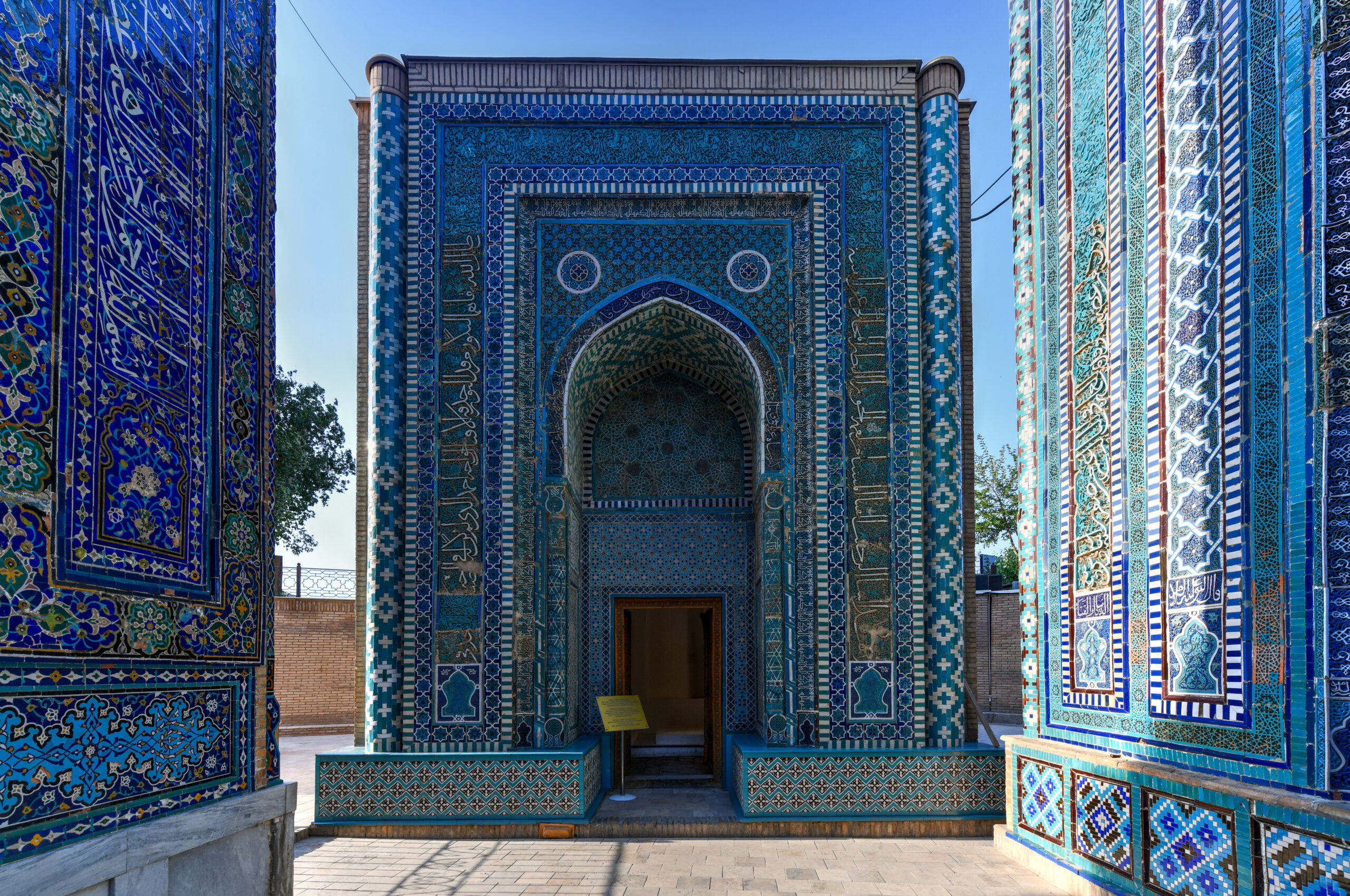
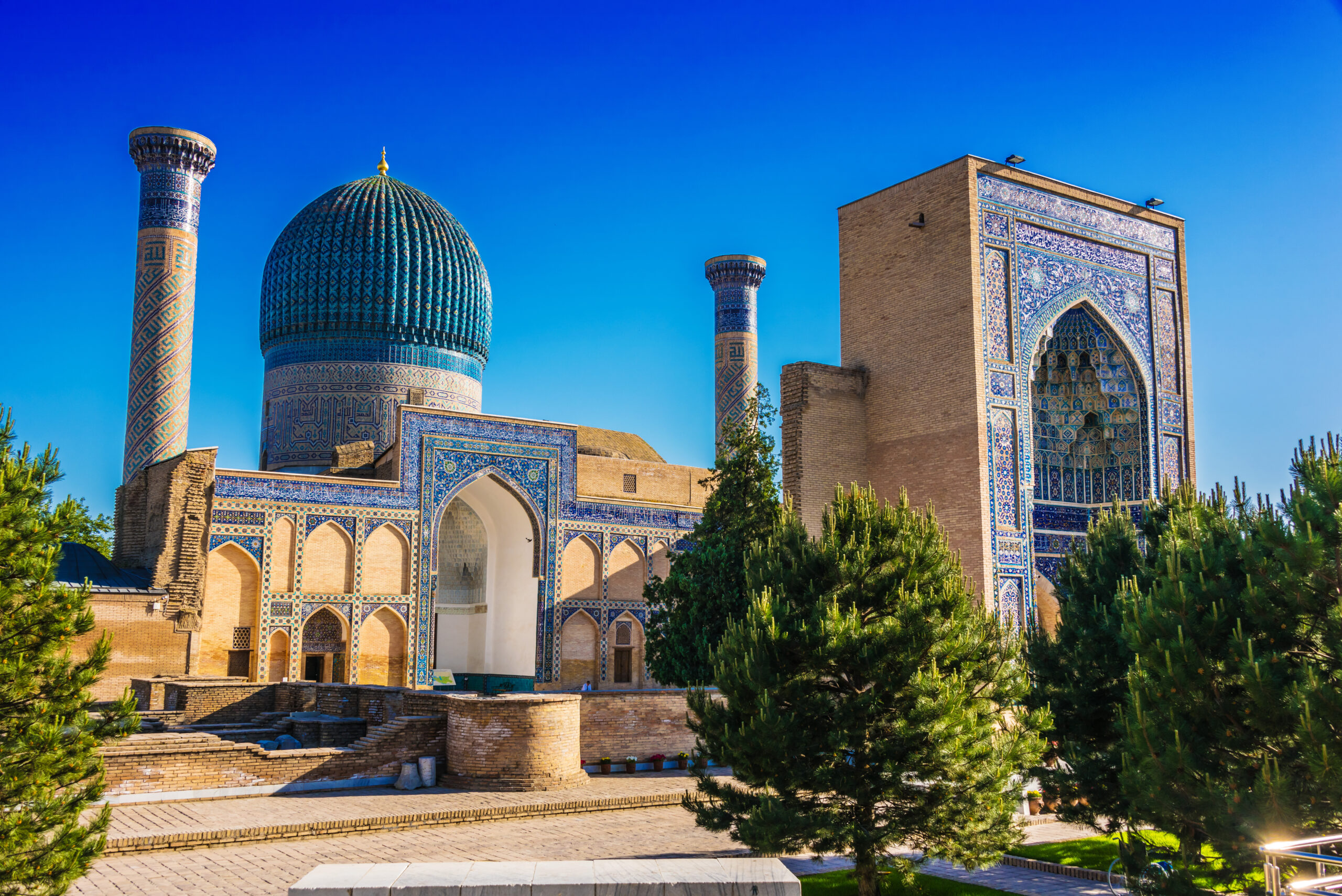
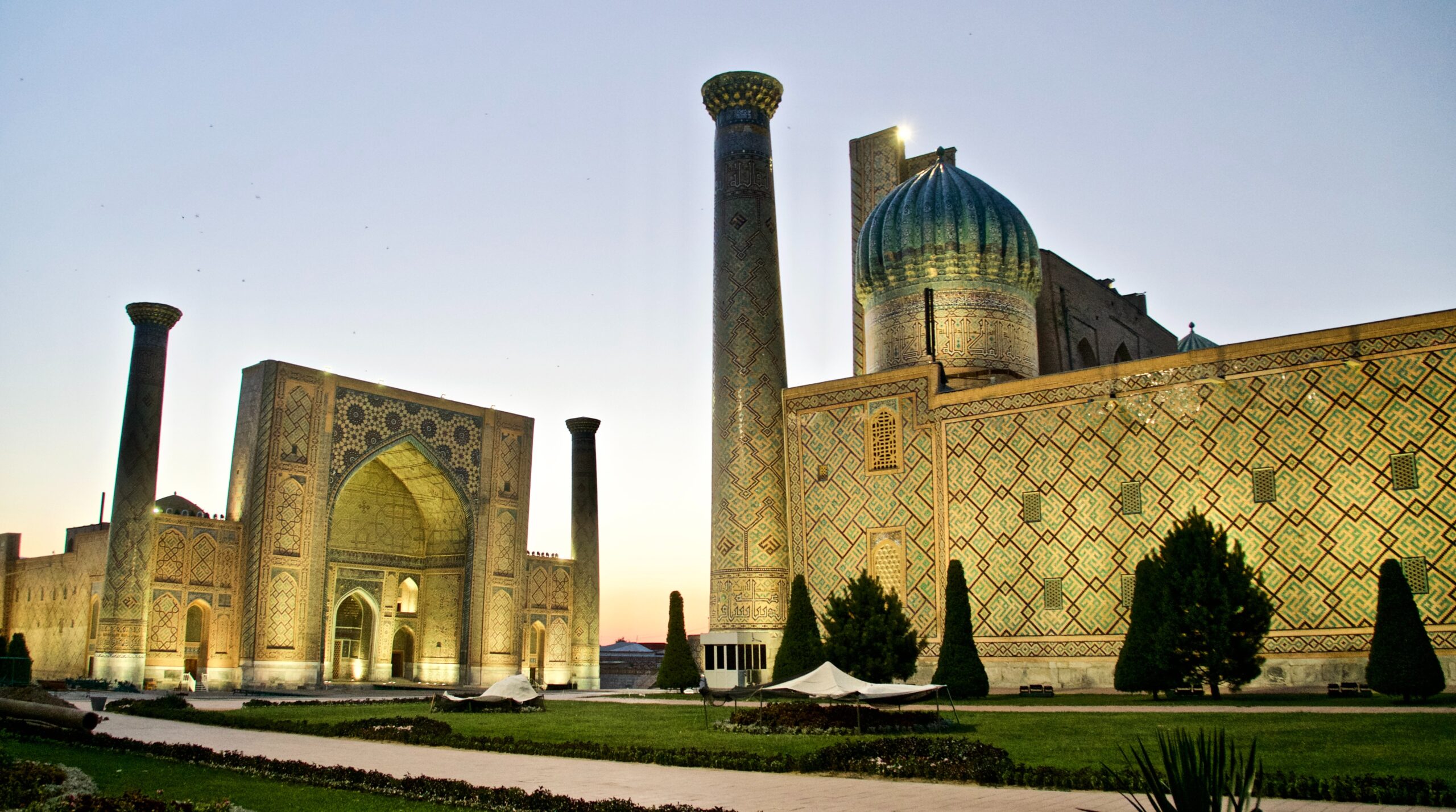
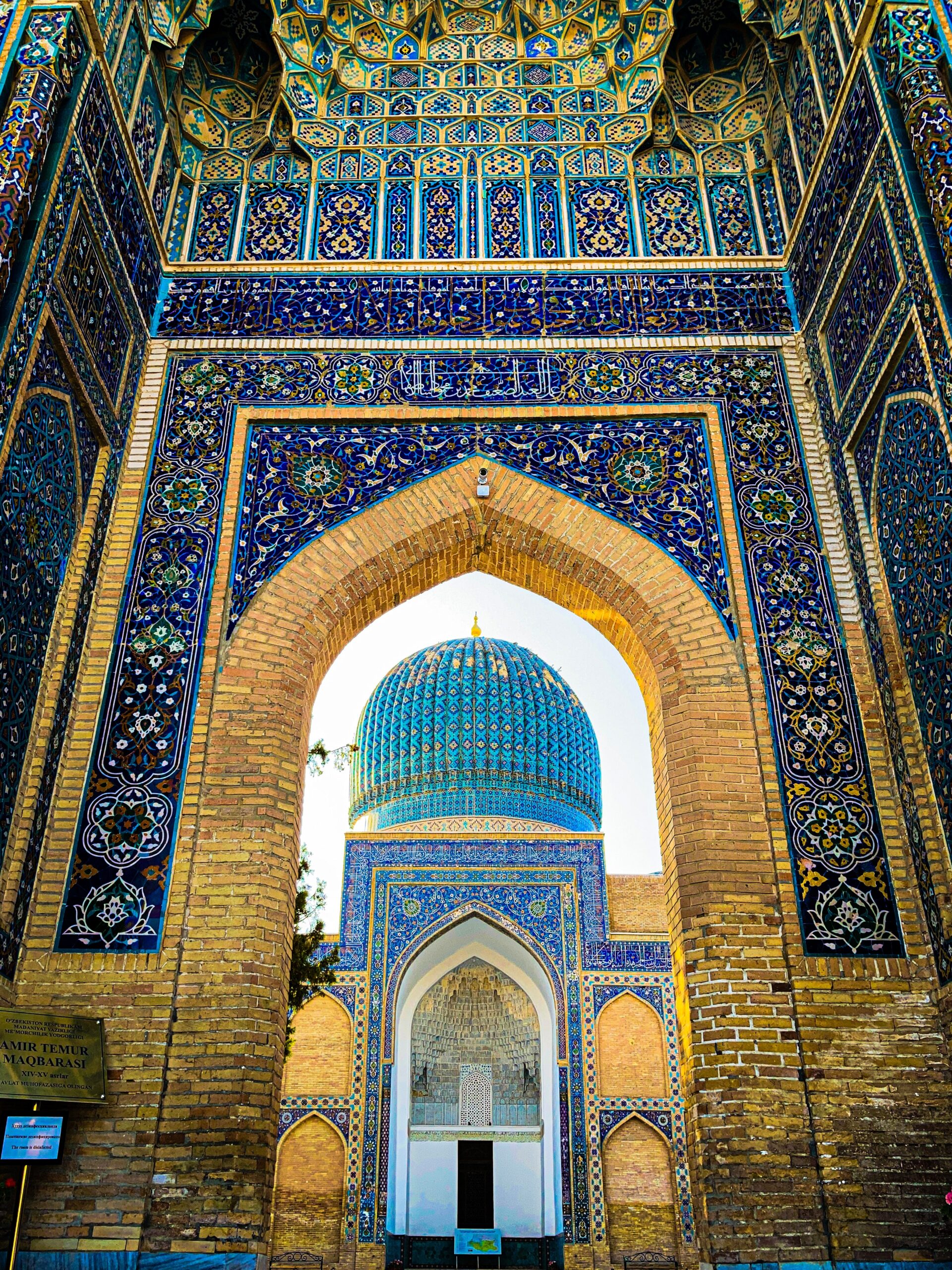
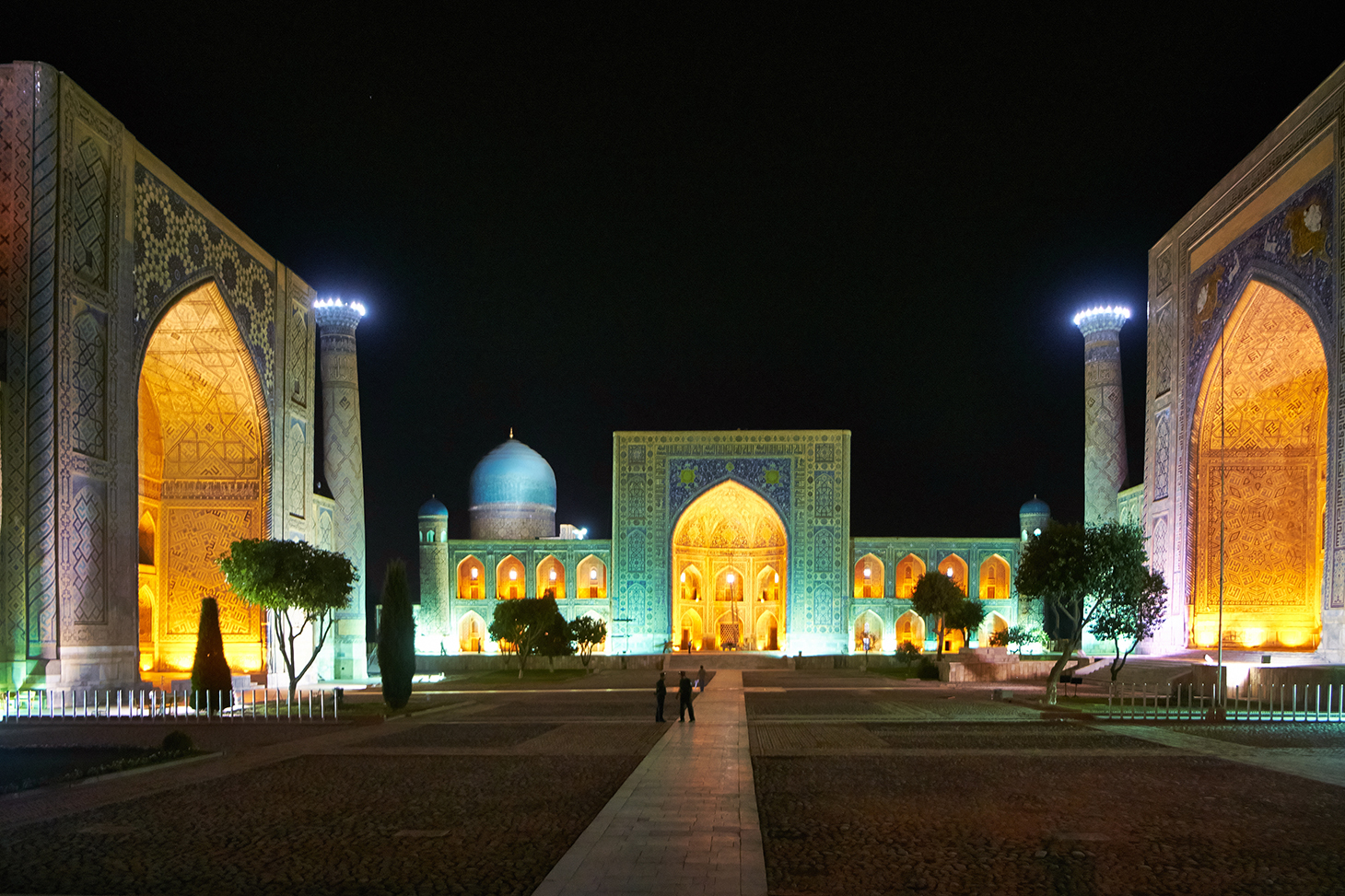
Full day excursions around Samarkand. You will visit the Gur-Emir Mausoleum, Registan Square, and the Bibi-Khanum Mosque. Visiting the museum and the settlement of Afrosiab, which was the center of ancient Samarkand. Today the settlement is a hilly area of 212 hectares, surrounded by a moat. Archaeological excavations are currently underway there. The Afrosiab Museum houses a model of the ancient city, fragments of fortress walls, pottery, weapons, coins, altars and unique wall frescoes of the 7th century. Overnight at the hotel. Tour duration: 5-6 hours
Samarkand – Bukhara
In the morning departure to Bukhara (280 km, 4h). On the way, stop at the Rabat-i-Malik caravanserai (XI century). Arrival in Bukhara. A trip out of town to Sitorai Mokhi-Khosa - the summer residence of the last Emir of Bukhara. Then visit the mausoleum of Bakhouddin Nakshbandi. Overnight at the hotel.
Bukhara
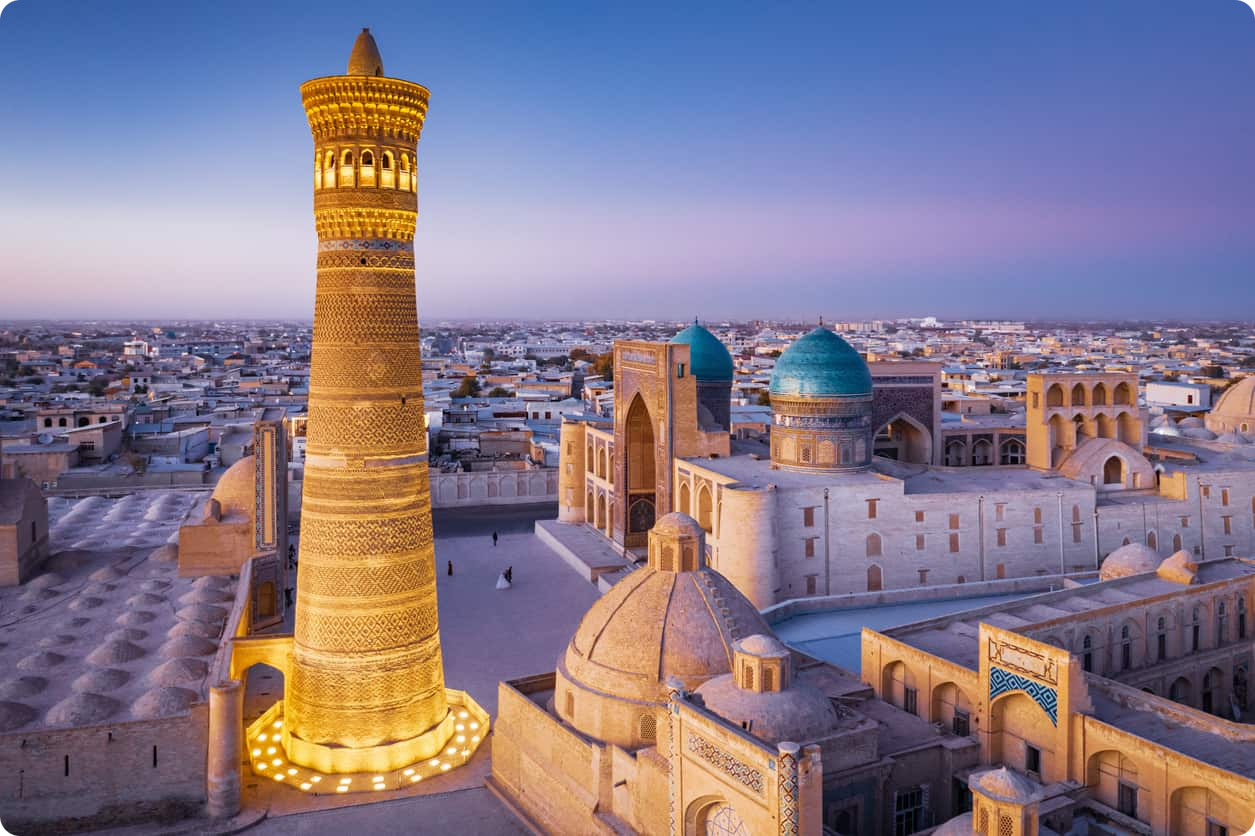
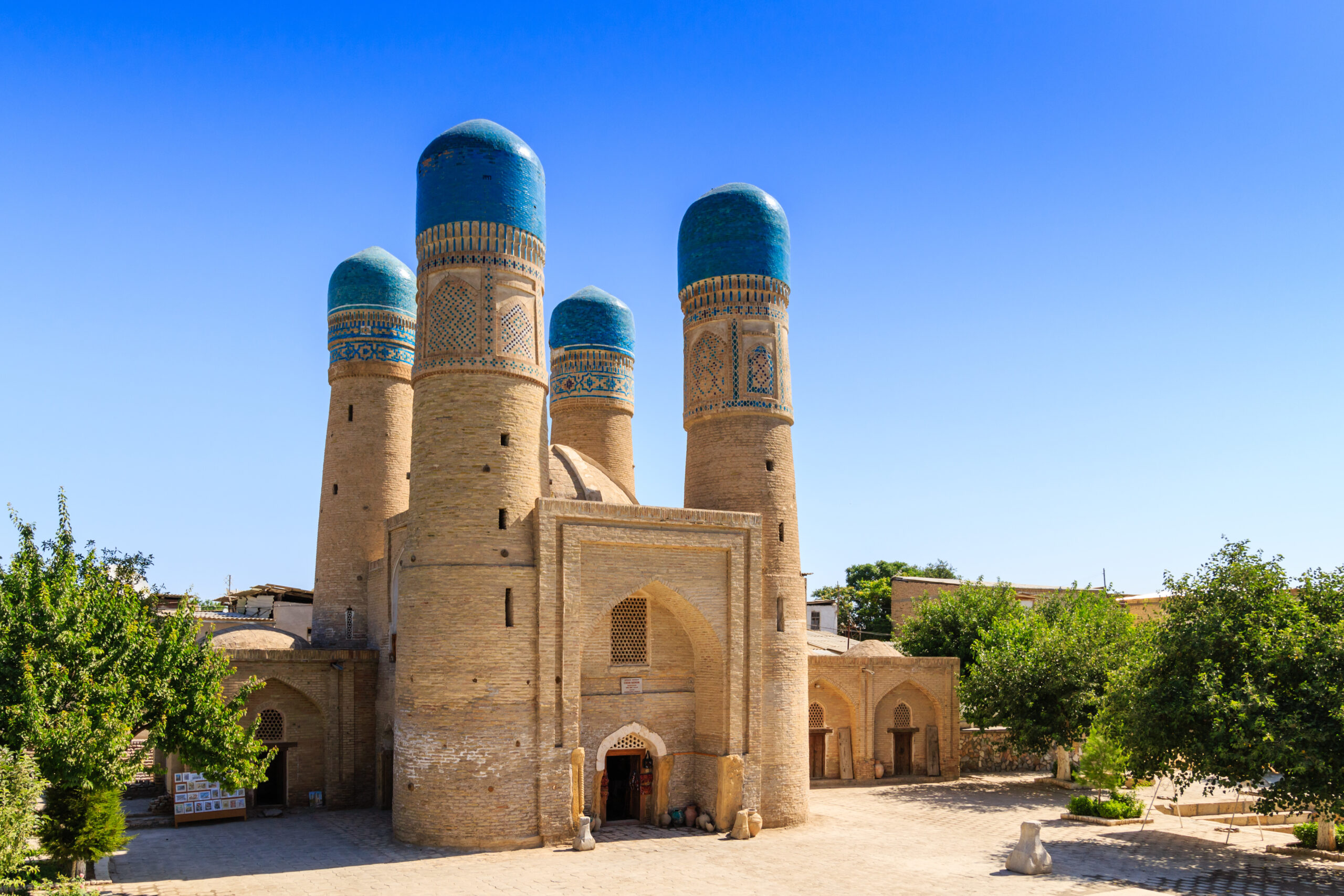
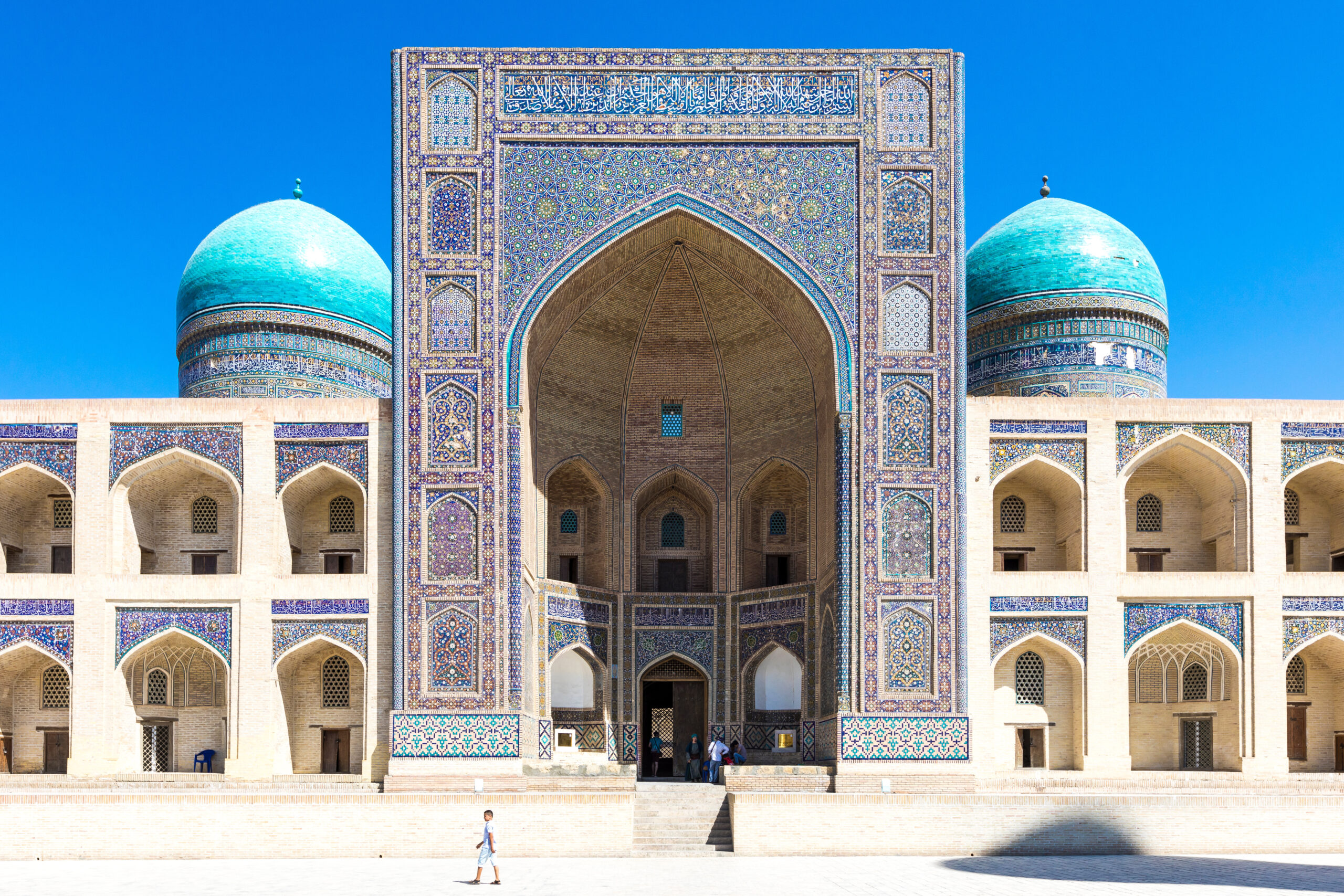
Full day of guided tours in the historical center of Bukhara. Visiting the Lyabi-Khauz complex, Magoki-Attori mosque, Chor-Minor madrasah, trading domes, Kalyan minaret, Kalyan mosque and Miri-Arab madrasah, Ulugbek madrasah, Abdulazizkhan madrasah, Ark fortress, Bolo-Khauz mosque, Samanid mausoleum and Chashma mausoleum -Ayub. Overnight at the hotel. Tour duration: 6-7 hours
Bukhara – Khiva
In the morning departure from Bukhara to Khiva (480 km., 7-8 hours*). The modern motorway crosses the Kyzylkum desert, repeating the ancient route of the Great Silk Road**. Arrival in Khiva, check-in and rest at the hotel. Overnight at the hotel. *Given that the cafes and restaurants along the way have a limited menu, you may want to bring a packed lunch with you (your hotel or guides can help arrange this the day before your trip). **part of the road is not in the best condition.
Khiva
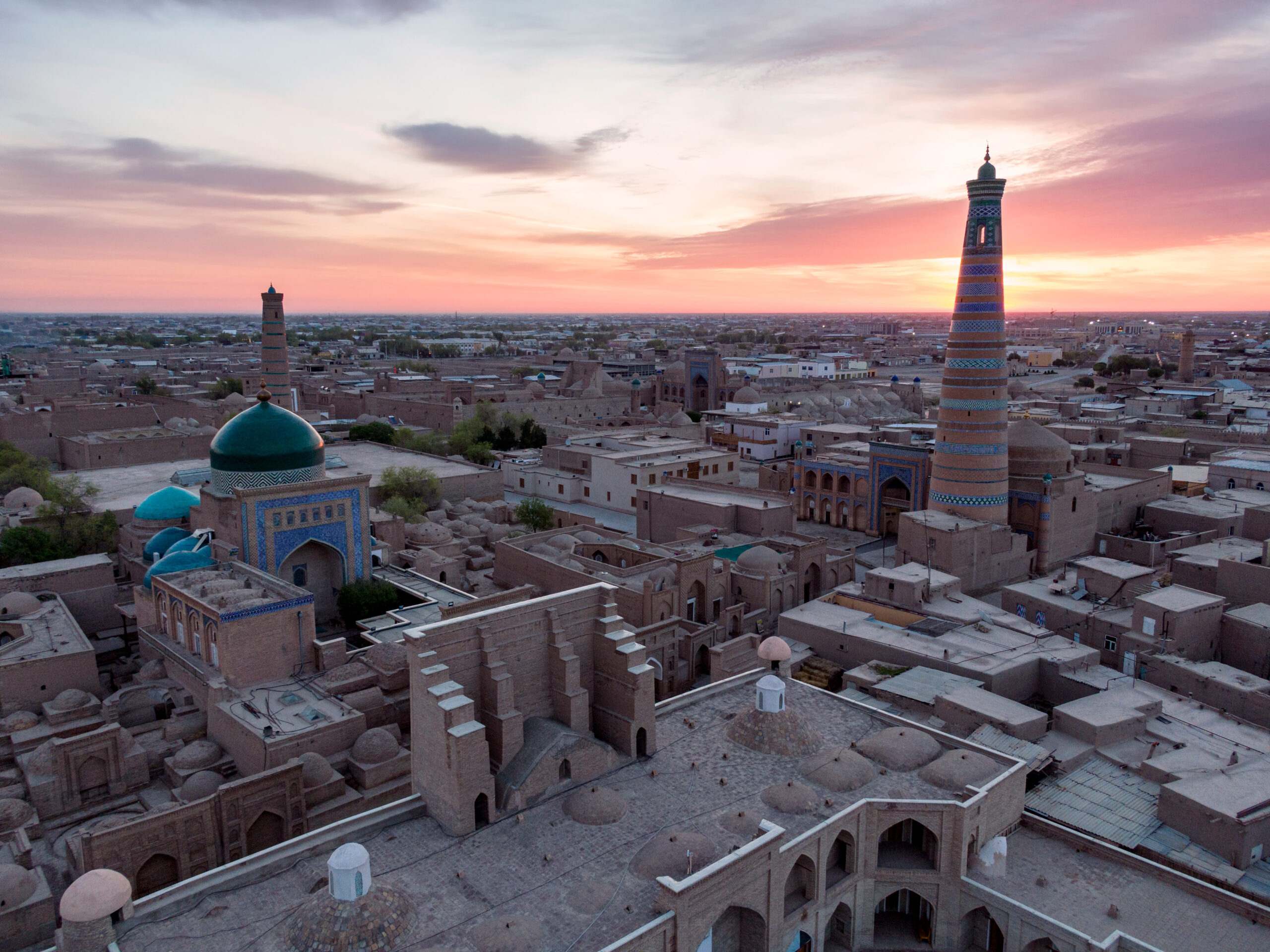
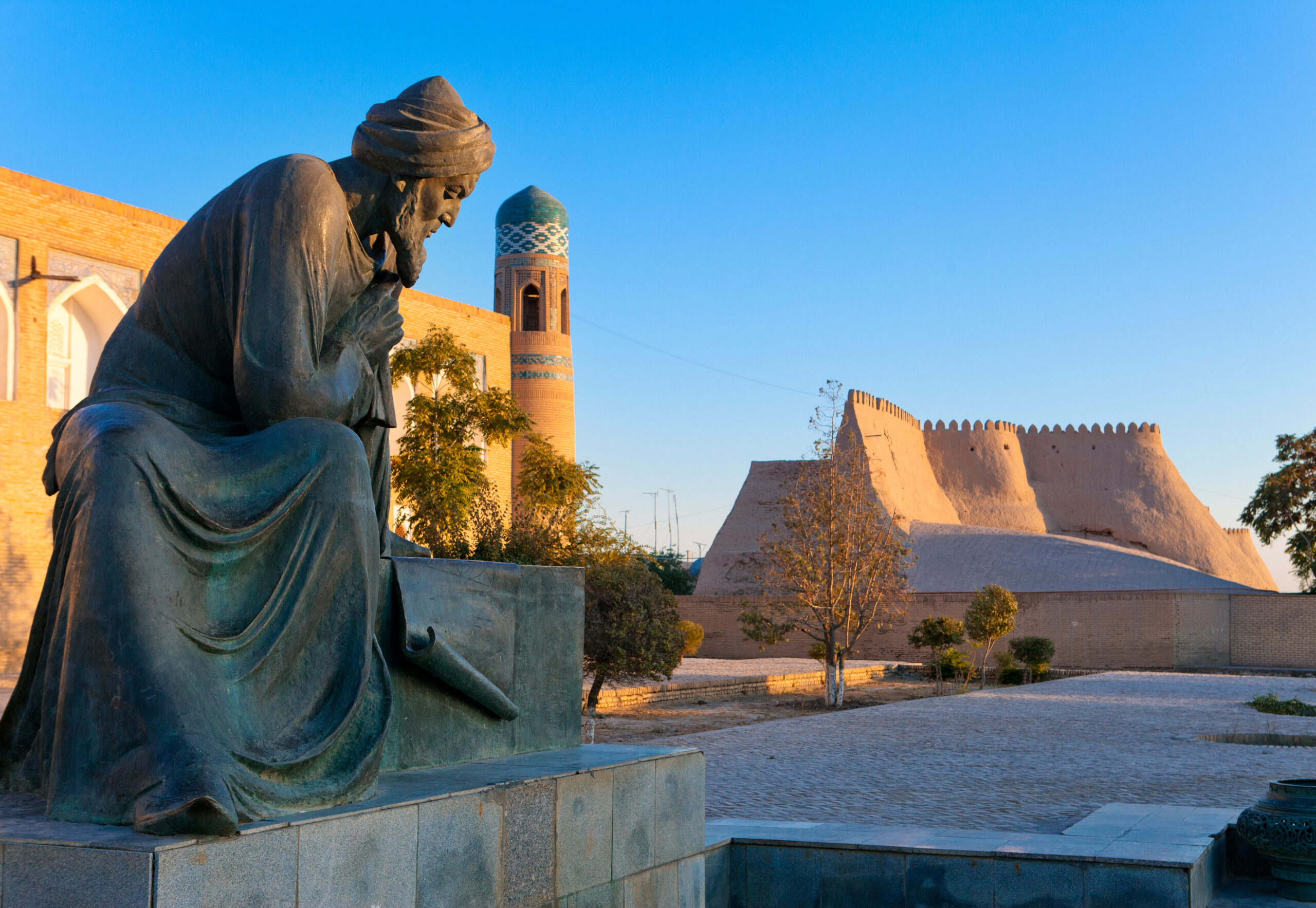
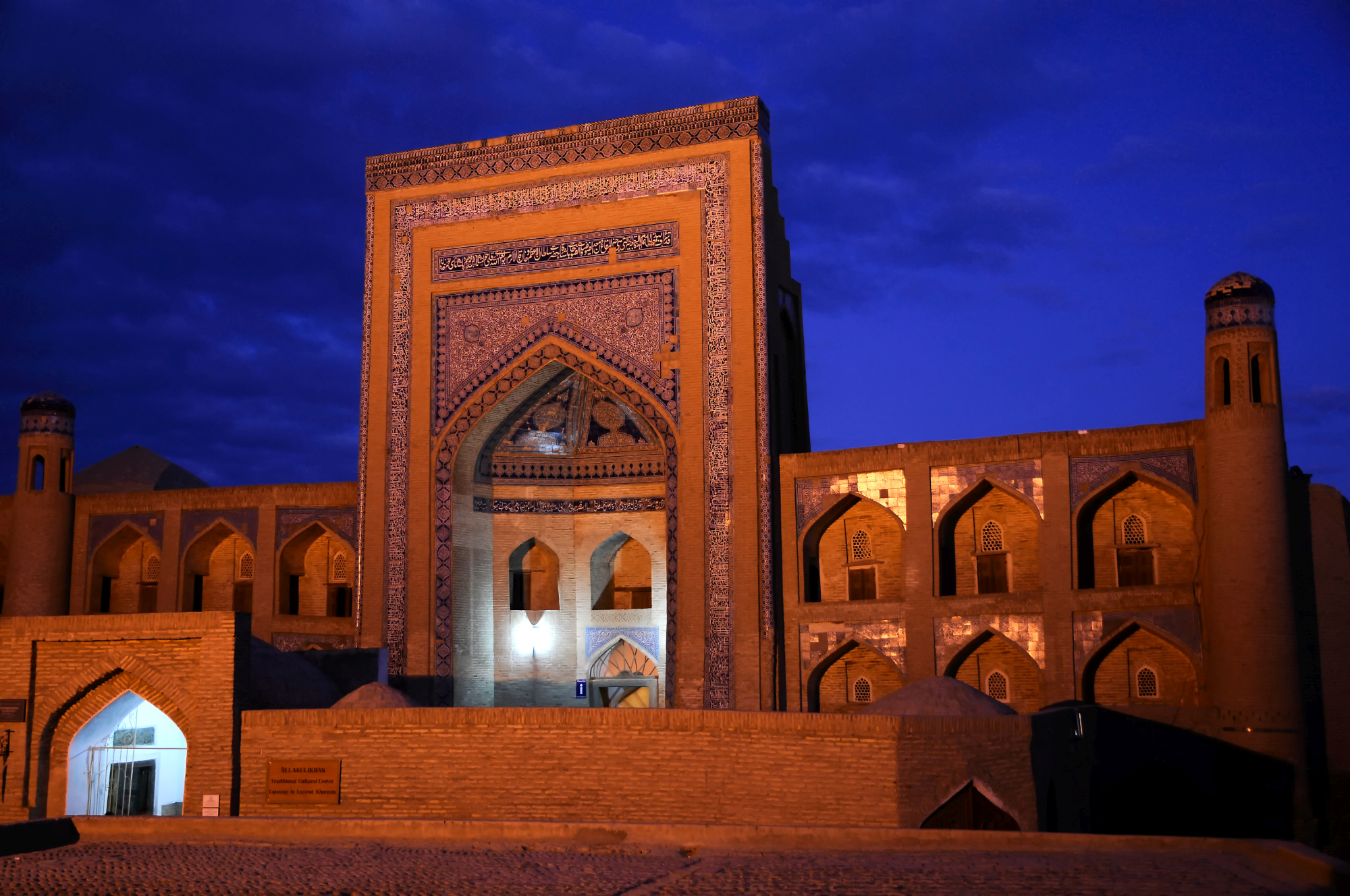
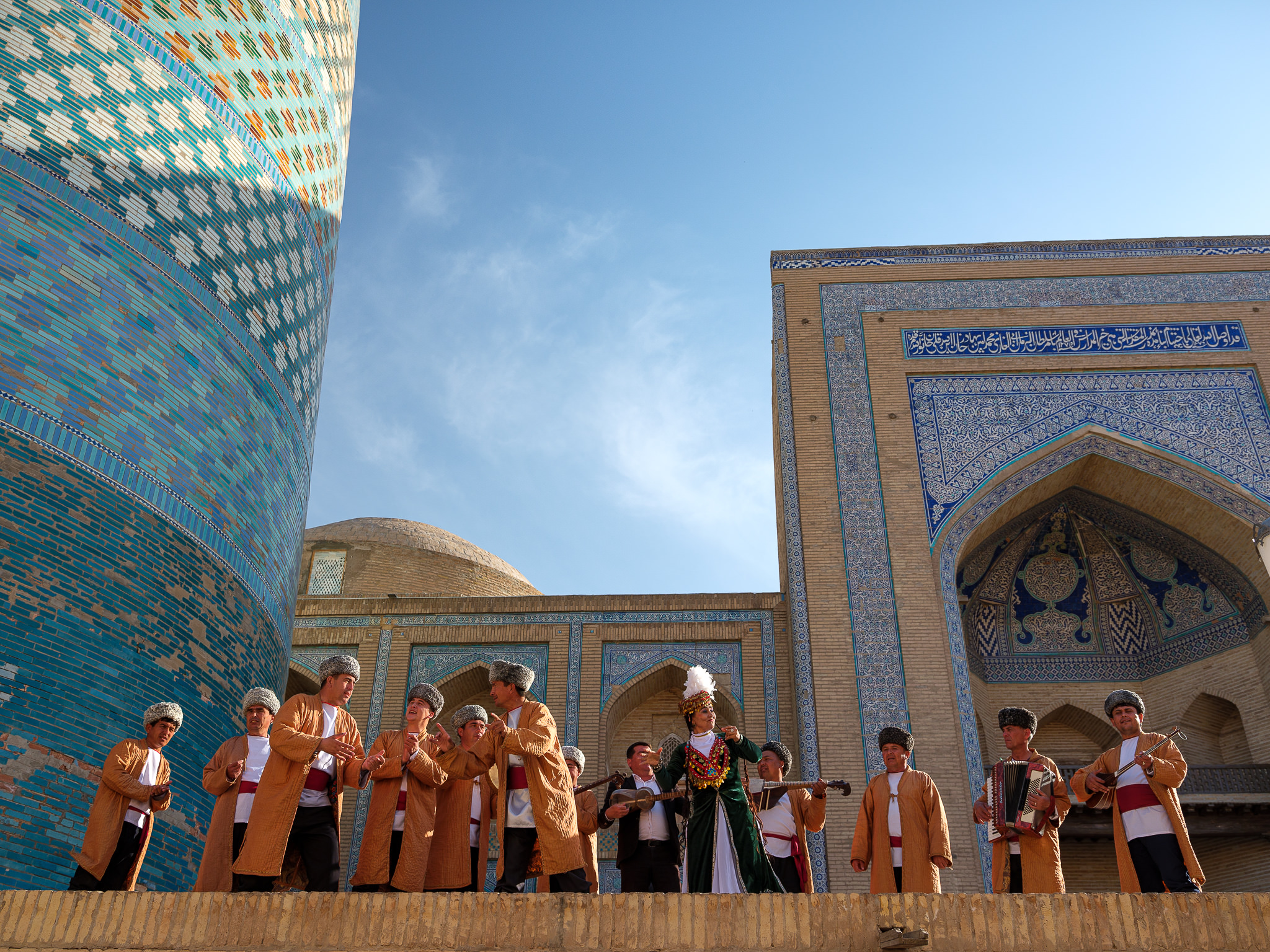
Full day of excursions in the fortress of Ichan-Kala, included in the UNESCO World Cultural Heritage List. Visit Muhammad Aminkhan madrasah, Muhammad Rahimkhan madrasah, Kalta-Minor minaret, Juma mosque, Tash-Khovli palace, Pakhlavan Mahmud mausoleum, Islam Khoja minaret. After lunch free time. Overnight at the hotel. Tour duration: 5 hours
Khiva - Gyaur-Kala - Koi-Krilgan-Kala - Torpak-Kala - Yurt camp "Ayaz-Kala"
Departure in the morning from Khiva to the yurt camp. On this day you will visit several fortresses of Ancient Khorezm scattered across the desert. Gyaur-Kala (Fortress of the Infidels) and Koi-Krylgan-Kala (Fortress of the Dead Rams) served as defensive structures and were within sight of each other so that it was convenient to signal in case of danger, and Toprak-Kala was the capital of Khorezm in the 3rd century . Arrival at the yurt camp "Ayaz-Kala". Dinner. Night in yurts.
Yurt camp "Ayaz-Kala" - Nukus - Tashkent
Departure to Nukus. On the way you will see Chilpyk - the tower of silence or the Zoroastrian dakhma. Arrival in Nukus. Visit to the Savitsky Museum in Nukus*. The famous museum houses the second largest collection of Russian avant-garde art in the world and an exposition of objects of applied art of the peoples of Central Asia, collected by the Russian artist and philanthropist I.V. Savitsky. Short excursion in the center of Nukus:visiting the monument to the Karakalpak poet Berdakh, Nukus khokimiyat and the Drama Theater. Transfer to the airport for the flight to Tashkent (1255 km, 2 h 45 min). Meeting at the local airport and transfer to the hotel. Overnight at the hotel. * The Savitsky Museum is closed on Mondays. In connection with the repair work at the Savitsky Museum, the departments with expositions of archeology and applied art are closed for an indefinite period.
Tashkent - departure
Airport transfer.
FAQs
Where is Uzbekistan located?
Uzbekistan is located in the heart of Central Asia, which gives the country a warm and cloudless climate throughout the year. On the territory of the Republic you can find many unique natural and architectural objects.
What is your national cuisine?
The national cuisine of Uzbekistan is meat! For thousands of years, local chefs have been keeping and improving recipes that originated on the territory of our Republic. Hundreds of different dishes are prepared here, but pilaf is considered the culmination of the entire gastronomic extravaganza. On December 1, 2016, it was inscribed on the UNESCO List of the Intangible Cultural Heritage of Humanity. Learn more about Uzbek cuisine.
What does Uzbekistan mean?
The Republic of Uzbekistan was "born" on September 30, 1991. The toponym was formed by combining the words "Uzbek", meaning "free man" and "stan" translated as "country".
Are there world famous Uzbeks?
There were many famous people among those born in Uzbekistan! Abu Ali ibn Sino, known throughout the world as Avicenna, was a great physician, philosopher, musician and poet. Amir Temur, or as he was also called - Tamerlane, was one of the greatest rulers of Central Asia. He was a direct relative of Genghis Khan. Thanks to his intelligence and skills, he was able to unite under his banner almost all of Central Asia right up to China. Alisher Navoi is a famous Uzbek poet and statesman. More than 30 collections of poems, poems and scientific works have come down to us. His most famous work is called "Khamsa" - a collection of five poems based on the folk epic.
How do Uzbeks celebrate New Year?
It so happened historically that in Uzbekistan the New Year is celebrated 2 times. The first is the globally accepted January 1st. At this time, the country is covered with a wave of fun! People relax, congratulate each other, and of course, give gifts! The second new year is celebrated on March 21 and is called Navruz. This day was chosen by our ancestors not by chance. It is on March 21 that the day, in time, is equal to the night, which indicates the entry of the earth into a new solar cycle.
Are there beaches in Uzbekistan?
Since Uzbekistan is located in Central Asia, it does not have direct access to the ocean, but there are several wonderful reservoirs, both artificial and natural, on the territory of the country. These include Charvak reservoir, Aydarkul lake, Jade lakes...
What is the most visited place in Uzbekistan?
The most famous place in Uzbekistan is Registan Square, which is located in the city of Samarkand. This place is famous for the fact that on its territory there are 3 majestic madrasahs - Sherdor, Tillya-Kari and Ulugbek, built in the period from 1420 to 1660.
What is the biggest holiday celebrated in Uzbekistan?
On the largest scale in Uzbekistan, the day of the spring equinox, called Navruz, is celebrated. This holiday appeared in Khorasan, more than 3 thousand years ago, and the date for it was not chosen by chance. On this day, March 21, day equals night, which symbolizes the beginning of a new astronomical year. Preparations for the holiday are full of ancient rituals and rituals, and the most delicious of them is sumalak! All relatives usually gather to prepare this dish, and during the night before the holiday, women sit around a huge cauldron, have fun, sing songs and take turns stirring this ritual dish of wheat germ.In the morning, it is customary to share this unique taste and very satisfying dish with all friends and relatives. They say that before you start eating sumalak, you need to make a wish and it will come true!
 View Photos
 Video Preview
 +998 99 545 00 55
 aextraveluz@gmail.com